
Stonehenge Sarsen Stones
- David Nash(Research cited),
- Jake Ciborowski(Research cited),
- Georgios Maniatis(Research cited)
About this Press & Media
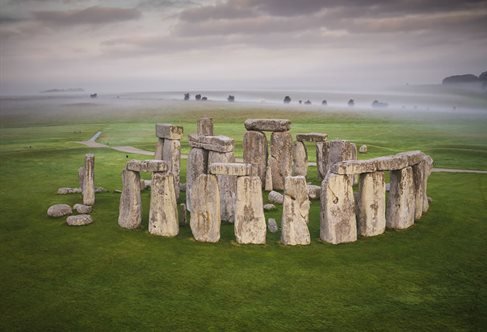
Groundbreaking scientific research published in July 2020 reveals that, 4,500 years ago, West Woods in Wiltshire – and in particular those hulking sandstone boulders – drew the ancient architects of Stonehenge.
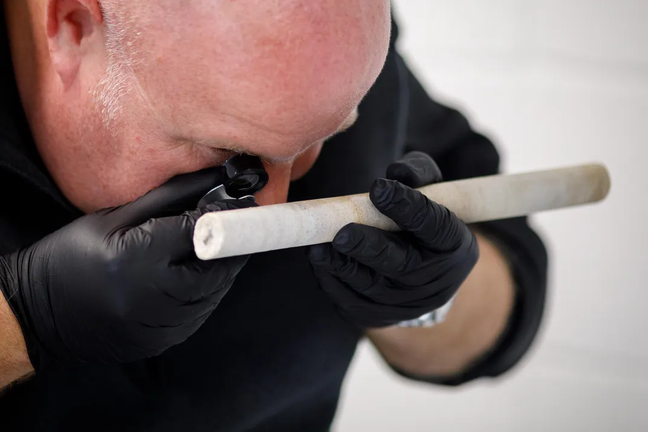
The research, made possible after a piece of one of the stones taken away as a souvenir 60 years ago was recovered, concludes that 50 of the 52 sarsen stones at Stonehenge were probably sourced from West Woods, on the edge of modern-day Marlborough.
It proposes possible routes along which Stonehenge’s creators may have transported the sarsens to their resting spot on Salisbury Plain 15 miles (24km) to the south, though how they managed to get them there remains a puzzle. Future research will try to pinpoint the specific sarsen extraction pits in the woods, which could yield more discoveries about the people who built Stonehenge.
Press & Media Information
Media Coverage
Title
Media type
Media name
Media description
But groundbreaking scientific research published on Wednesday reveals that, 4,500 years ago, this spot – and in particular those hulking sandstone boulders – drew the ancient architects of Stonehenge.
The research, made possible after a piece of one of the stones taken away as a souvenir 60 years ago was recovered, concludes that 50 of the 52 sarsen stones at Stonehenge were probably sourced from West Woods, on the edge of modern-day Marlborough.
It proposes possible routes along which Stonehenge’s creators may have transported the sarsens to their resting spot on Salisbury Plain 15 miles (24km) to the south, though how they managed to get them there remains a puzzle. Future research will try to pinpoint the specific sarsen extraction pits in the woods, which could yield more discoveries about the people who built Stonehenge.
Date
Degree of recognition
Country
Producer
Persons
- David Nash(Research cited),
- Jake Ciborowski(Research cited),
- Georgios Maniatis(Research cited)
Media Coverage
Title
Media type
Media name
Media description
Stonehenge, roughly 5,000 years old, is made up of two kinds of stones, called bluestones and sarsens, the latter of which weigh 25 tons on average.
Date
Degree of recognition
Country
Producer
Persons
- David Nash(Research cited),
- Jake Ciborowski(Research cited)