
Fear-suffused environments: Prison architecture, design and technology
- Yvonne Jewkes(PI),
- Dominique Moran(CoI),
- Jennifer Turner(CoI),
- Ellie Slee(CoI)
- University of Birmingham
Research project:
Research Councils / Government Depts.
Project status
Finished
About the project
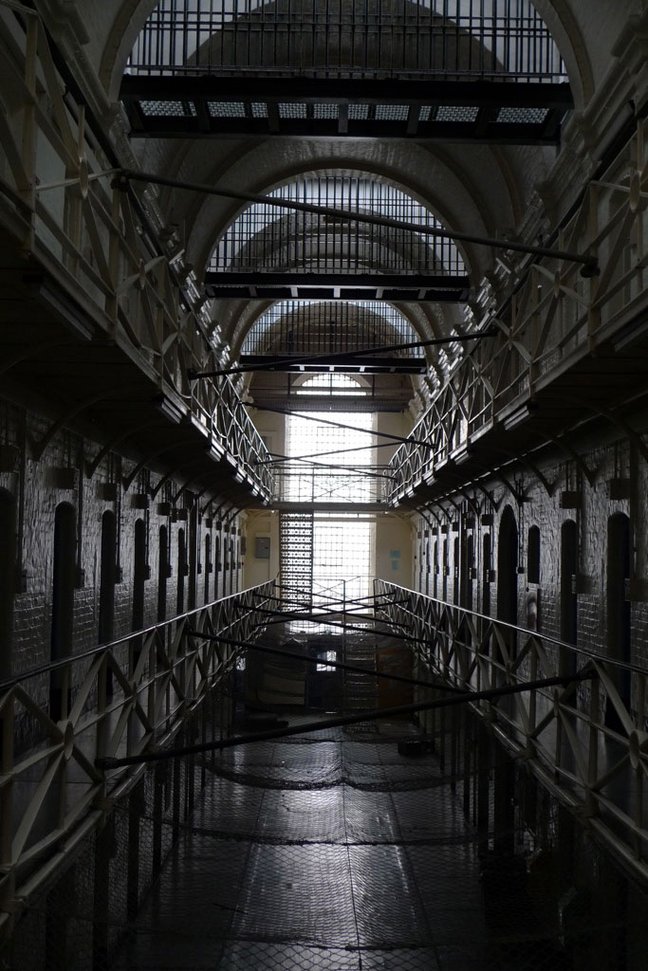
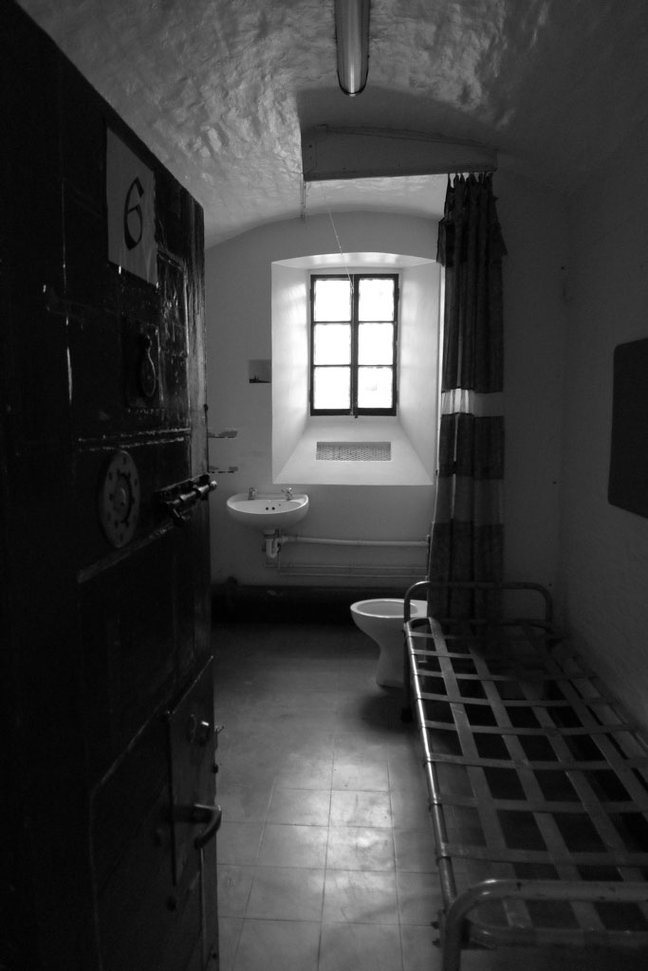
With new, giant prisons being built to house up to 2,500 inmates and the prison population at nearly 86,000, arguably there had never been a more important time to study prisons and punishment. Why is society's cultural attachment to the prison seemingly unshakeable? Are new, modern prisons more effective and more efficient than old Victorian gaols? And what are the most pressing challenges facing the Ministry of Justice as it contemplates commissioning nine new prisons (five of which were planned to be constructed by 2020)?
Funded by the Economic and Social Research Council (ESRC) between 2014-2017, this research project sought to determine the impact that the architecture, design and spatial organisation of prisons has on the experience of imprisonment, on the behaviour of those who occupy and move through carceral spaces and on prison staff. Professor Yvonne Jewkes was the principal investigator for the project entitled 'Fear-suffused environments’ or potential to rehabilitate? Prison architecture, design and technology and the lived experience of carceral spaces', collaborating with Dr Dominique Moran from the University of Birmingham.
In addition, the project secured funding for a Postdoctoral Research Associate (Dr Jennifer Turner) and for a PhD studentship (Ellie Slee). The PhD studentship extended the reach of the project to a new and different group – members of local communities which surround prisons – to gain insight into the largely unexplored subject of the specific impact of prison architecture and aesthetics on those who live within the immediate vicinity of prisons.
This research project addressed two overarching questions:
> how are penal aims and philosophies (that is, what prison is 'for') expressed in prison architecture and design?
> how effective is prison architecture, design and technology (ADT) in conveying and delivering that penal purpose?
The study sought to meet its objectives by:
studying the process of designing new prison buildings in order to understand what it is that architects are asked to deliver and how they achieve this
studying ADT's impact and effects on a range of end users and in relation to a number of measures, including:
> prisoners' quality of life and wellbeing
> perceptions of penal legitimacy
> compliance with the regime
> prisoner-staff relations
> staff work satisfaction
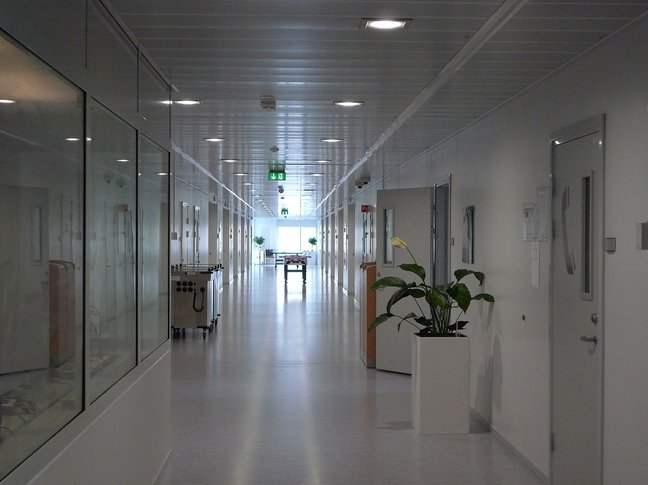
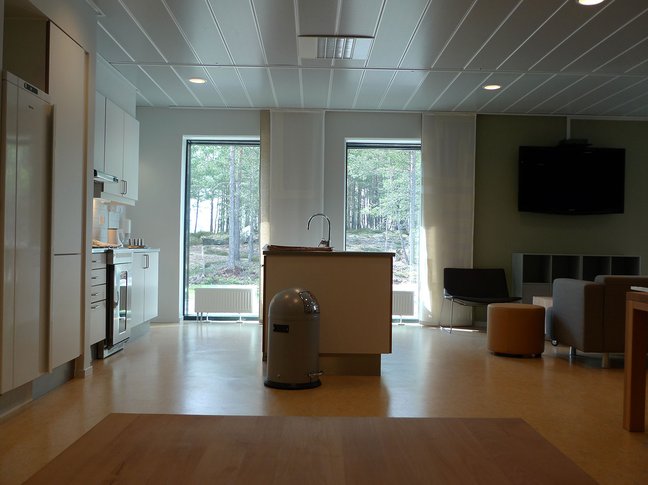
The project focused on newly built UK prisons and contrasted these with prisons in Norway and Denmark, where penal philosophies differ greatly from those in the UK. The ultimate aim of the research is to improve understanding and influence future prison design strategy.
Key findings
During the project, Professor Yvonne Jewkes and Dr Hannah Thurston contributed to the Rehabilitation by Design study, calling for new prisons to provide conditions similar to living conditions in society.
Publications included:
Publications included:
Jewkes, Y. and Moran, D. ‘Criminology, carceral geography and prison architecture’, in A. Liebling, S. Maruna and L. McAra (eds.) Oxford Handbook of Criminology 6th edition, Oxford: Oxford University
Jewkes, Y., Moran, D. and Slee, E. ‘The visual retreat of the prison: non-places for non-people’, in M. Brown and E. Carrabine (eds.) The Routledge Handbook of Visual Criminology, Abingdon: Routledge
Moran, D., Turner, J. and Jewkes, Y. (2016) ‘Becoming Big Things: Building events and the architectural geographies of incarceration in England and Wales’, in Transactions of the Institute of British Geographers
Moran, D., Jewkes, Y. and Turner, J (2016) ‘Prison architecture and carceral space’ in Y. Jewkes, B. Crewe and J. Bennett (Eds.) Handbook on Prisons, revised 2nd edition, Abingdon: Routledge
Project Information
Project Type
Research Councils / Government Depts.