
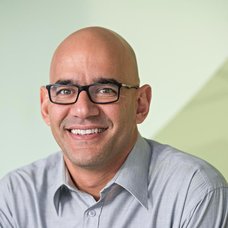
Dr Diogo Gomes Da Silva
- Senior Lecturer, School of Applied Sciences
- Centre for Environment and Society
Research interests
My areas of interest include environmental pollution, especially water pollution. My research focus mainly on Water, Sanitation and Hygene (WASH) issues including, health-related water microbiology, microbial source tracking (MST), faecal sludge management, waterborne disease control, water and sanitation safety plans, bathing water quality, water eutrophication and shellfish safety.
Supervisory interests
My supervisory interests include new and low-cost approaches for treatment and assessment of drinking and bathing waters, wastewater and faecal sludge. I am also interested in supervising projects related to the use of bivalve shellfish, as a tool to assess environmental pollution in estuarine and marine environments. Nutrient pollution and eutrophication of water sources is another topic that is within the scope of my supervisory interests.
Approach to teaching
I am the module leader of GY531 Environmental Pollution, also lecturing on GY634 Water Sanitation and Health, GY431 Global Environmental Issues and GY591 Geography Fieldwork at undergraduate level. I also supervise local and overseas fieldwork along with undergraduate, master’s and PhD's level dissertations.
In my lectures I like to include practical approaches such as sessions in the laboratory and fieldwork. I think 'hands on' experience is one of the best ways to learn and fix the knowledge acquired. I like to engage with my students by delivering informative lectures supported by a variety of visual aids. I also like to guide my students towards the most relevant books and peer-reviewed journals. In my lectures I use a wide variety of case studies, including those from my research group’s (EPHREG) work in water and sanitation in the UK, South America, Africa and Asia.
I expect my students to participate actively in my lectures, taking notes, asking questions and helping each other. I also expect them to read widely and to keep themselves updated with the most recent research advances in their field of study.