
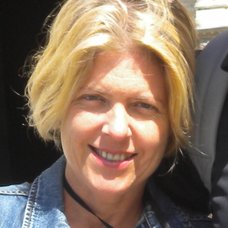
Corina Ciocan
- Principal Lecturer, School of Applied Sciences
- Co-Director, Centre for Environment and Society
A marine biologist, Corina’s expertise is in functional ecotoxicology, focusing on biological responses of marine organisms to environmental stressors.
Prior to working at the University of Brighton, Corina was a full-time Research Fellow at the University of Sussex in the Aquatic Toxicology group. She was involved in a wide range of international research programmes, looking at detoxification mechanisms in marine invertebrates and their use as biomarkers, induction of DNA damage in critical growth regulating genes and impairment of sex determination/differentiation mechanisms in marine bivalves.Corina has written chapters in Mussels: Ecology, Life Habits and Control (edited by Nova Science Publishers, New York, 2013) and published research in high impact scientific journals.
At the University of Brighton, Dr Ciocan is the module leader for level 4, 6 and 7 marine related modules in PABS; but teaches in several other modules across School of Pharmacy and Biomolecular Sciences and School of Environment and Technology.
Research interests
My research interests focus on the biological effects of various classes of aquatic environmental stressors, contaminants in particular, at cellular and molecular level - functional ecotoxicology. The key challenge is to understand the mechanism of action of newly emerged contaminats (pharmaceuticals, microplastics, personal care products) that can negatively impact the health and physiology of marine organisms, and moreover, the potential for climate change to alter these responses.
Detoxification mechanisms and their use as biomarkers of environmental contamination (ie. metallothionein isoforms and expression levels, CYP450 and the glutathione systems) in marine invertebrates and fish.
Induction of DNA damage in critical growth regulating genes, such as the ras oncogene and p53 tumour suppressor gene, plus their role in development of a 'mutator phenotype' and genome instability.
Also, reproductive mechanisms of marine invertebrates and wonderful ways in which stressors (climatic or human induced, ie. pharmaceuticals, microplastics) interfere with sex determination/differentiation.
Supervisory interests
I am interested in supervising postgraduate research students in the area of ecotoxicology/marine biology: pollutants impact on marine organisms, biomarkers of stress in aquatic invertebrates, microplastics as vector for marine pollutants, transgenerational effects of aquatic pollutants.
Approach to teaching
I like to teach Marine Biology in ways that place the experiment and practice at the centre of everything I explain, for there can be no successful teaching without creating an active learning environment.
I am motivated by the prospect of supplying students with the possibility of becoming explorers or researchers, even for two hours a day; I bring a lot of my personal experience into the class room and I grab every opportunity to take my students outdoor, on the coast.
Academic qualifications
Academic Qualifications
- PhD, University of Agronomic sciences and Veterinary medicineProject: Morphological and histological damage in pollution impacted marine organisms
- Master, University of BucharestProject: Biomarkers in Cancer related lesions in fish
External positions
External Positions
- NERC Peer review College member, NERC
- General council member, Sussex IFCA